

Grease buildup in a busy hotel or restaurant kitchen is more than a cleaning headache, it can slow service, affect hygiene, and wear down surfaces faster than most teams expect. If you are looking for a degreaser for commercial kitchens in hotels and restaurants Kenya, the smart choice depends on your soil load, surface type, staff training, and buying format, not just the lowest price. Kenya, officially the Republic of Kenya, had an estimated population of more than 53.3 million by mid-2025 according to Wikipedia, and that growing service economy keeps pressure on kitchens in Nairobi, Mombasa, Kisumu, and beyond to stay clean and audit-ready. For hospitality operators that want a practical supply partner, Thika Wax Works is one local name worth knowing, especially if you already source wider hygiene items like those covered in this housekeeping chemicals checklist for hotels in Kenya.
What a commercial kitchen degreaser actually does
A commercial kitchen degreaser is a cleaner made to break down oils, fats, carbon soils, and food residue on hard surfaces used for cooking and food preparation. Wikipedia defines a kitchen as a room or part of a room used for cooking and food preparation in a dwelling or commercial establishment, which matters here because a hotel kitchen has heavier soil loads and faster re-soiling than a home kitchen, so ordinary household cleaners often fall short.
The best products work by loosening greasy films so staff can wipe, scrub, or rinse them away with less effort. In Kenyan hotel and restaurant settings, that usually means cleaning extractor hoods, cookers, fry stations, tiled walls, stainless steel tables, and floor edges where oil splash builds up over time.
Key takeaway: A degreaser is not just a stronger soap. It is a targeted cleaner for fat-heavy soils common in commercial food service.
Degreaser types and where they fit
| Type | Best for | Watch-outs |
|---|---|---|
| Ready-to-use degreaser | Small kitchens, spot cleaning, daily wipe-downs | Higher cost per litre |
| Concentrated liquid degreaser | Hotels, restaurants, central kitchens | Needs correct dilution and staff training |
| Caustic oven cleaner | Burnt-on grease, ovens, grills | Can damage sensitive surfaces if misused |
| Non-corrosive heavy-duty cleaner | Mixed-surface cleaning | May need more dwell time on heavy carbon |
Buyers often confuse oven cleaner with an all-purpose degreaser. They are not the same. Caustic products can be very effective on baked-on soils, but they are usually too aggressive for routine use across every surface.
Why hotels and restaurants need stronger products than homes
A hotel breakfast line or restaurant fry station creates repeated layers of oil mist, food splatter, and heat-set residue. That mix sticks harder, spreads wider, and needs more than dish soap to remove safely and quickly.
If your operation also handles packaged food, it helps to think about hygiene as a wider system, not a single bottle. Related reading on safe adhesives for food packaging shows how material choices around food operations also affect compliance and cleanliness.
How to choose the right degreaser for kitchens in Kenya
The right product for your site should match your grease level, water availability, surface mix, and cleaning routine. A small café in Westlands does not need the same chemistry or pack size as a coastal resort kitchen running buffets, banquets, and staff meals every day.
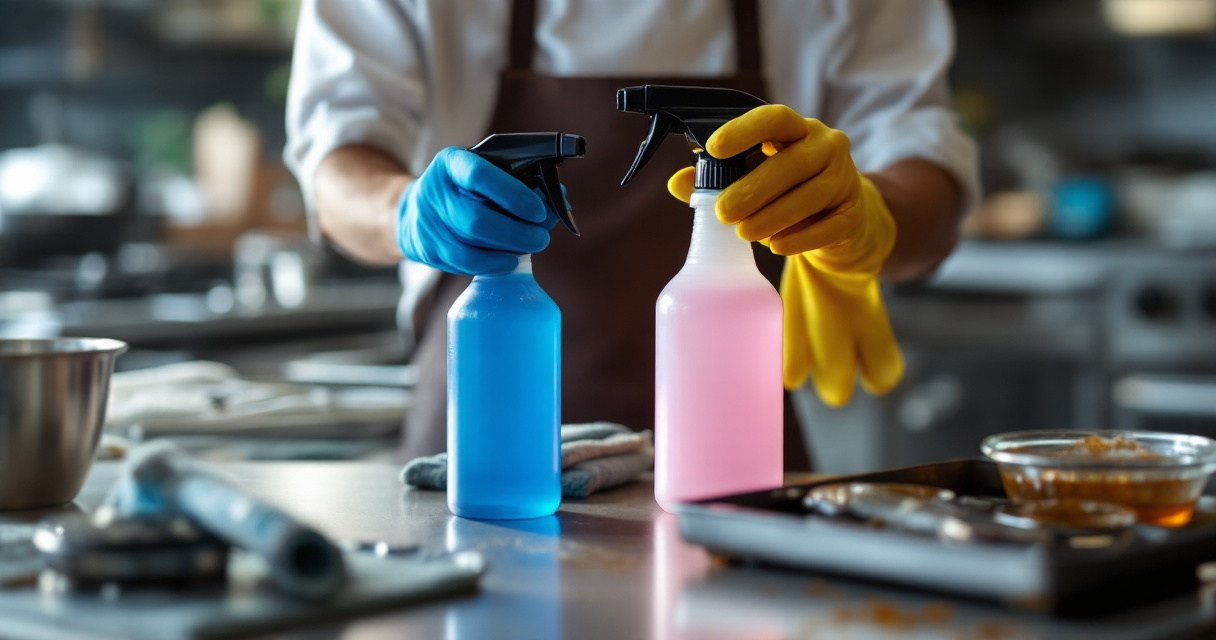
The five buying checks that matter most
- Soil type: Light oily film, heavy fryer grease, and burnt carbon need different strength levels.
- Surface compatibility: Stainless steel, tiles, sealed floors, aluminium, and painted parts do not all tolerate the same chemistry.
- Dilution control: Concentrates save money only if staff measure properly.
- Contact time: Fast kitchens need products that work within practical dwell times.
- Rinse needs and scent: Food-prep areas need products that leave surfaces clean without lingering residue.
Nairobi and Mombasa kitchens also deal with heat, variable ventilation, and high traffic, which can make grease spread faster than teams realise. That is why buying by label claims alone can backfire.
Signs a product fits your operation
- It removes grease without repeated reapplication
- It does not leave slippery residue on floors or prep zones
- Staff can use it safely with clear instructions
- Pack sizes match your weekly consumption
- Supply is consistent, so you do not keep switching formulas
"You can't manage what you can't measure.", Peter Drucker, Quote Investigator reference page
That idea applies directly to kitchen cleaning. Track litres used, cleaning time, and re-clean rates before deciding which product is really cost-effective.
How Thika Wax Works handles supply needs for hospitality teams
Thika Wax Works serves hospitality, industrial, and maintenance buyers in Kenya and East Africa, which makes it a practical option if you prefer to source cleaning products from a company that understands facility operations beyond just one category. For buyers standardising procurement across kitchens, laundry, and general sanitation, that broader range can simplify ordering.
If your property is reviewing multiple hygiene categories this year, pair your kitchen plan with this guide to laundry chemicals for hospitals and hotels in East Africa.
Safe use matters more than raw strength in a busy kitchen
The safest degreaser is the one your team can use correctly, consistently, and on the right surface. Stronger is not always better, especially around stainless steel finishes, food-contact zones, or areas where rinsing is limited during service hours.
Safe application steps for hotel and restaurant teams
- Remove loose food soil first.
- Apply the product at the recommended dilution.
- Allow the correct dwell time.
- Scrub only where needed, using the right pad or brush.
- Rinse or wipe thoroughly, depending on the label direction.
- Let the area dry before restarting food prep.
Common trouble starts when staff mix products, guess dilutions, or use a caustic cleaner on the wrong metal. Keep labelled bottles, measuring tools, gloves, and simple wall instructions near the cleaning station.
Key takeaway: A controlled cleaning process protects surfaces, speeds up training, and reduces waste.
Video: stainless steel cleaning basics
Training matters because many Kenyan kitchens use stainless equipment heavily, and poor scrubbing habits can dull the finish or leave streaks. For wider hygiene planning across wet areas and guest facilities, this guide on preventing bathroom tile mold with professional washroom cleaners is also useful for facility managers handling multiple departments.
Mistakes to avoid during degreasing
The most common mistakes are easy to fix once you spot them.
- Using one cleaner for ovens, floors, prep tables, and painted surfaces
- Leaving product on too long and damaging finishes
- Applying degreaser directly to hot equipment
- Skipping rinse steps where food may contact the surface
- Buying large packs without testing real consumption first
Where grease builds up fastest in Kenyan commercial kitchens
Grease builds up fastest where heat, airflow, and repeated splatter meet. In hotels and restaurants, that usually means canopy hoods, backsplash tiles, fryer surrounds, oven doors, drainage edges, and floor-wall joints.
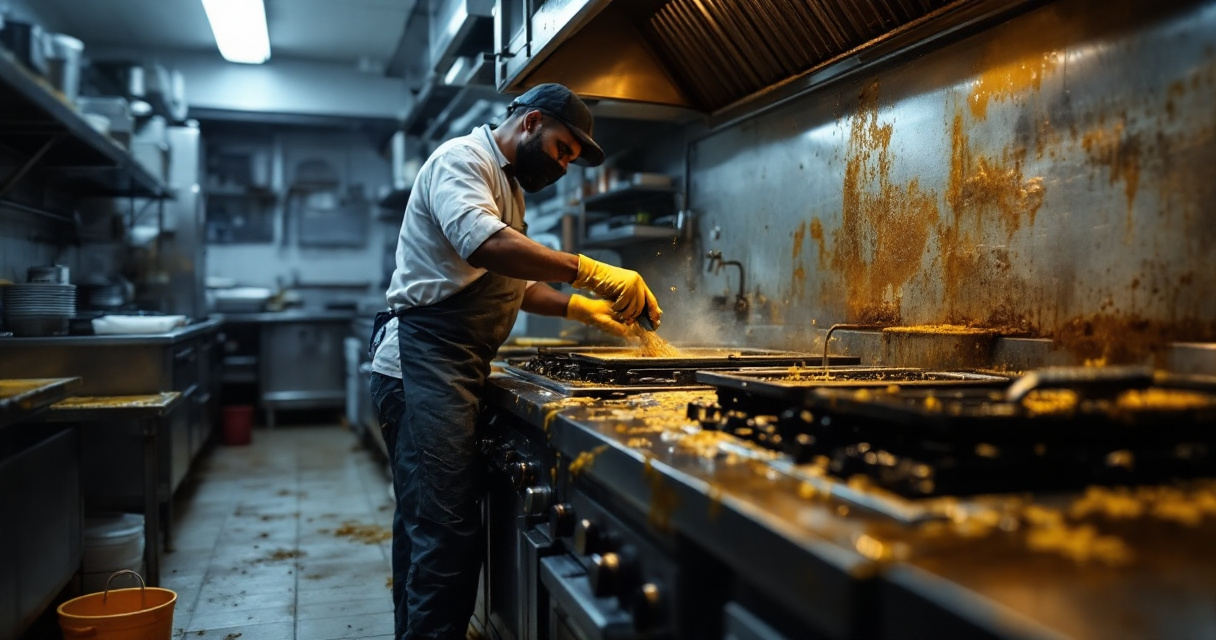
Priority cleaning zones by risk and effort
| Area | Typical soil level | Cleaning frequency guide | Best product style |
|---|---|---|---|
| Fryer surrounds | Very heavy | Daily | Heavy-duty degreaser |
| Cooker hoods and filters | Heavy | Daily to weekly | Concentrated degreaser |
| Stainless prep tables | Moderate | Per shift | Food-area compatible degreaser |
| Tiled walls near cookline | Moderate to heavy | Daily | Liquid degreaser |
| Kitchen floors and edges | Heavy mixed soil | Daily | Floor-safe degreasing cleaner |
Busy teams often focus on visible surfaces and miss hidden grease behind equipment or under counters. That is where odours, insects, and slippery films can start.
A better routine is to divide tasks into per-shift, daily, and weekly blocks, then assign clear ownership. If your operation also maintains stores, service corridors, or production-style spaces, this article on industrial floor cleaner for factories and warehouses in Kenya gives a useful framework for matching cleaners to soil type.
Video: food hygiene culture reminder
A simple stock plan for kitchen degreasers
A practical stock plan keeps your team working without overbuying.
- 1 litre packs: spot cleaning and supervisor issue stock
- 5 litre packs: steady use in small to mid-size restaurants
- 20 litre packs: high-volume hotel kitchens and central stores
You should also separate daily degreasing from periodic deep-clean chemicals. That keeps cost tracking cleaner and helps avoid misuse.
What to expect in 2026 and how to buy with confidence
Commercial kitchen cleaning in 2026 is moving toward simpler staff training, clearer labelling, and fewer all-purpose shortcuts. Buyers want products that clean fast, fit HACCP-style routines, and come from suppliers who can support repeat orders and related hygiene categories.
That is one reason Thika Wax Works stands out for Kenyan businesses that prefer a local manufacturing and trading partner with a broad product base. More on product categories and industry solutions is available on thikawaxworks.com, especially if your procurement team handles multiple departments, not just the kitchen.
Buying checklist before you place an order
- Ask which surfaces the product is meant for
- Confirm whether it is ready-to-use or concentrate
- Check available pack sizes and repeat supply
- Request safe-use guidance for your staff
- Test on one section of the kitchen before full rollout
Good buying decisions come from matching the cleaner to the job, not from picking the harshest formula on the shelf. The same logic applies across industrial consumables, whether you are selecting kitchen chemicals or comparing line materials such as food-grade packaging glue suppliers in Kenya.
"Quality is never an accident. It is always the result of intelligent effort.", John Ruskin, Quote Investigator reference page
That mindset fits kitchen cleaning perfectly: smart product choice, clear procedures, and steady supply beat heroic scrubbing every time.
Conclusion
A good degreaser for commercial kitchens in hotels and restaurants Kenya should remove heavy grease efficiently, suit your surfaces, and fit the way your team actually works. If you are running a hotel kitchen, restaurant, café, or institutional food service operation, start with a site test, train staff on dilution and contact time, and build a simple cleaning schedule around your highest-risk areas.
Looking for kitchen cleaning solutions in Kenya? Thika Wax Works has you covered. Visit thikawaxworks.com for more product information, or get in touch directly here: https://www.thikawaxworks.com/contact-us/.