
A stained bedsheet in a hotel is a guest complaint, but a poorly processed hospital linen can become an infection-control problem. That's why laundry chemicals matter far more than many procurement teams think. In simple terms, laundry is the washing, drying, and ironing of clothes and other textiles, according to Wikipedia. For hospitals and hotels in Kenya and the wider East African region, the right chemical program has to balance cleanliness, fabric life, worker safety, water conditions, and cost per kilo of linen. If you're sourcing for Nairobi, Mombasa, Kisumu, or cross-border operations, working with an experienced supplier such as Thika Wax Works can help you match chemicals to your linen type and wash setup instead of guessing.
Why hospitals and hotels need different laundry chemical programs
Many buyers group hospitality and healthcare laundry together because both wash sheets, towels, uniforms, and table linen. That sounds efficient, but it misses the real difference: risk level. Hotels focus on stain removal, whiteness, odour control, and fabric feel. Hospitals also need a validated hygiene approach for patient linen, staff garments, and high-soil items.
East Africa is a broad region at the eastern side of the African continent, as summarized by Wikipedia. Across Kenya, Uganda, Tanzania, and Rwanda, large laundries also deal with inconsistent water hardness, power interruptions, and mixed machine quality. Those conditions change how detergents, alkalis, bleaches, and souring agents perform in real life.
Key takeaway: A hotel can often optimise for appearance and cost. A hospital must optimise for hygiene first, then cost.
Laundry managers should also remember a simple truth from infection prevention: cleaning and disinfection are not the same thing. The 2021 review on disinfectants during COVID-19 notes both the value of disinfectants and the need to avoid misuse because of human and environmental effects, especially where exposure is frequent and uncontrolled (Dhama et al., 2021). That matters in on-premise laundries where staff handle concentrated products daily.
What hotels usually prioritise
Hotels usually care most about:
- Bright white bed linen
- Soft towels and pleasant fabric feel
- Low rewash rates
- Fast turnaround for occupancy pressure
- Controlled fragrance and stain removal for food, makeup, and beverages
For hospitality teams also managing kitchens and food service, it helps to align laundry hygiene with wider sanitation standards. Thika Wax Works readers may also find this guide to industrial disinfectant selection for businesses useful when setting site-wide hygiene protocols.
What hospitals can't afford to overlook
Hospitals deal with heavier contamination risks, so they usually need:
- Stronger soil removal for body fluids and medicinal stains
- Controlled bleaching and disinfection steps
- Chemical dosing accuracy
- Staff PPE and safe handling procedures
- Clear separation of clean and dirty linen workflows
That's why buying purely on price per drum often backfires. A cheaper product that causes rewashes, fabric damage, or poor disinfection quickly becomes the expensive option.
The core laundry chemicals that actually matter in 2026
Most institutional laundries in Kenya use a multi-product system rather than one "all-purpose" detergent. Each product does a different job, and skipping one often shifts the burden to another stage of the wash.
Laundry chemical categories and where they fit
The most common categories are:
- Main wash detergents for soil removal and suspension
- Alkali boosters to lift heavy dirt and grease
- Bleaches and disinfecting agents for whitening and microbial control
- Neutralisers or sours to bring linen pH back down after washing
- Softeners for hand feel and static control
- Spotters for targeted stain treatment before washing
Quick comparison table for buyers
| Chemical type | Main job | Common use in hotels | Common use in hospitals |
|---|---|---|---|
| Detergent | Removes dirt and oils | Daily linen, towels, uniforms | General ward linen, staff wear |
| Alkali booster | Helps break heavy soil | Kitchen cloths, F&B linen | High-soil linen, workwear |
| Bleach/disinfectant | Whitening and hygiene support | White sheets and towels | Infection-sensitive linen |
| Sour/neutraliser | Reduces alkalinity after wash | Protects fabric feel | Helps skin comfort and fabric life |
| Softener | Improves softness and finish | Guest linen and towels | Limited use depending on textile type |
| Stain remover | Targets specific marks | Wine, tea, makeup, food stains | Blood, iodine, medicine stains |
A supplier such as Thika Wax Works can help build a matched program, which is usually better than mixing unrelated chemicals from different sources.
Why dosing matters as much as product choice
Two laundries can buy the same detergent and get very different results. Water temperature, cycle length, machine loading, and dosing accuracy all change performance.
Under-dosing leaves stains and odours behind. Over-dosing wastes money, can leave residue on linen, and may increase worker exposure. If your site also handles packaging, housekeeping, or maintenance products, centralising procurement with a technical supplier can reduce these mismatches. That same logic applies in other factory categories too, like choosing the best industrial adhesives manufacturer in Kenya, where process fit matters more than headline price.
How to choose chemicals for Kenyan water, linen types, and stain profiles
Kenya-first buying decisions should start with your operating conditions, not with a catalogue. Nairobi, Mombasa, and upcountry sites can face different water profiles, while coastal humidity affects drying and storage.
Start with the fabric and the soil load
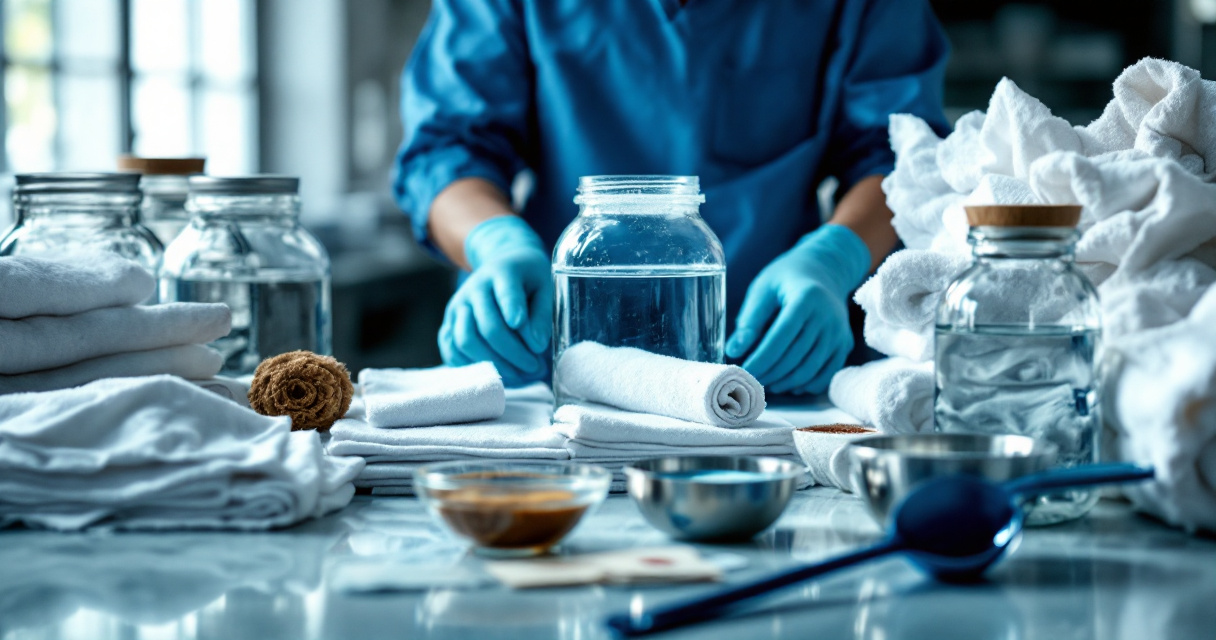
Ask what you're washing most often:
- Cotton bed sheets
- Blended hotel linen
- Towels and bath mats
- Theatre linen and patient gowns
- Staff uniforms
- Tablecloths and napkins
Then map the main stains. A hotel near the coast may see sunscreen, food oils, and red soil. A hospital may see blood, antiseptics, and medicine marks. One formula rarely handles all of these equally well.
Check your water quality before blaming the detergent
Hard water can reduce cleaning power and leave fabrics looking dull. Iron in water can also cause yellowing or greying over time. If your whites never stay bright, the issue may be your water treatment or neutralisation step, not just detergent strength.
Buyer tip: If linen feels harsh after washing, test pH and rinse performance before adding more softener.
Facilities teams working on the wider building environment should think the same way across departments. Moisture, storage, and housekeeping standards all connect. For example, building protection issues such as damp walls can also affect linen rooms, which is why practical maintenance reads like this guide to waterproofing compounds for concrete can matter beyond construction alone.
Safety, infection control, and environmental caution for institutional laundries
Hospitals can't discuss laundry chemicals without discussing safety. Concentrated products can irritate skin, eyes, and the respiratory system if mishandled. The 2021 review by Dhama and colleagues highlights that widespread disinfectant use brings benefits, but also health and environmental concerns when products are misused or overused (source).
That doesn't mean avoiding strong chemistry. It means using the right product, at the right concentration, in the right step.
Practical controls for staff and supervisors
Your laundry SOP should cover:
- Labelled chemical storage
- PPE for handlers
- Dosing equipment checks
- Spill response steps
- Ventilation in dosing and wash areas
- Training on product incompatibility
"The first wealth is health.", Ralph Waldo Emerson, Quote Investigator reference
That line fits laundry management better than it may seem. Safe linen processing protects patients, guests, and your own staff.
Don't confuse stronger smell with better hygiene
A strong scent may make linen smell "clean," but fragrance is not proof of proper washing or disinfection. In healthcare especially, process control matters more than perfume. Review your wash temperatures, contact time, segregation of dirty linen, and finishing area hygiene.
If your site handles both laundry and food-related operations, it also helps to compare chemical safety expectations with packaging and processing standards. Related reading on safe adhesives for food packaging shows the same principle: product safety depends on correct use, not marketing claims alone.
Questions procurement teams should ask before buying in East Africa
A lot of laundry tenders still focus too heavily on unit price. That's understandable, but institutional buyers should ask sharper questions before signing a supply agreement.
The five checks that prevent costly mistakes
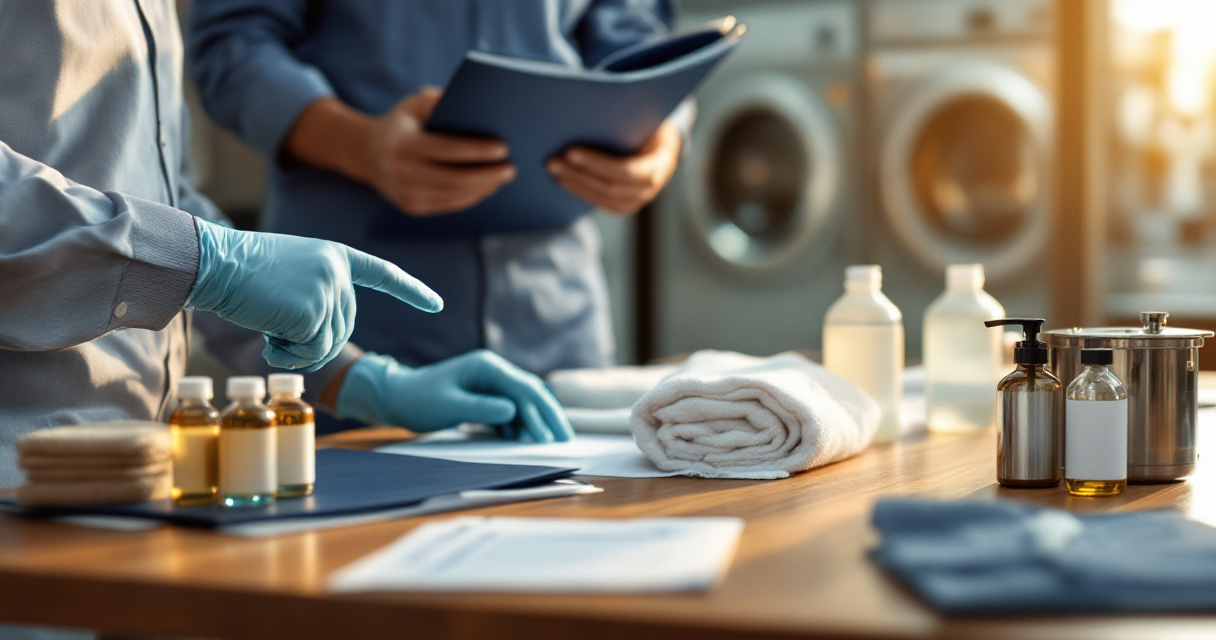
Use this short checklist:
- What linen types has the product been tested on?
- Is the chemical meant for manual dosing or automatic dosing?
- What water conditions does it perform best in?
- Does the supplier provide training and usage guidance?
- What other supporting products are needed for full performance?
These questions often reveal hidden costs, especially where a "cheap" detergent still needs extra booster, bleach, and rewashing time.
Supply reliability matters more than most buyers admit
Hotels and hospitals can't afford stockouts. A missed laundry cycle can disrupt occupancy, theatre schedules, housekeeping, and ward operations. That's one reason long-established local suppliers have an edge. Thika Wax Works serves Kenya and East Africa across hospitality, industrial, and maintenance categories, so buyers can source with a more practical view of continuity.
For operators who also manage branded packaging, printed materials, or maintenance supplies, broader procurement planning helps. You may find related operational value in guides such as food-grade packaging glue supply in Kenya and how to apply liquid adhesives like a pro, especially if your facility runs multiple departments under one purchasing team.
Common mistakes that ruin linen and increase operating costs
Most laundry failures come from process shortcuts, not from one bad drum of chemicals. The same mistakes show up again and again in hotels and hospitals across the region.
The avoidable errors
Watch for these problems:
- Overloading machines, which blocks soil removal
- Mixing coloured and white linen care programs
- Using bleach too aggressively on delicate blends
- Ignoring rinse quality and residual alkalinity
- Leaving wet linen too long before drying or finishing
- Treating every stain with the same spotter
Important: If towels lose absorbency, your softener program may be too heavy.
Fabric replacement is expensive. A smarter chemical plan often saves more through longer textile life than through lower chemical spend alone.
Why one-size-fits-all buying rarely works
A busy hotel laundry and a hospital laundry may both ask for "strong detergent," but that phrase means very different things in practice. One needs guest-ready presentation. The other needs process discipline around contamination risk.
That's why custom advice matters. If your supplier asks about linen mix, machine capacity, soil load, water source, and target finish, that's a good sign. If they only ask how many litres you want, be careful.
What to expect in 2027: smarter dosing, safer handling, and tighter hygiene standards
The next step for institutional laundry in East Africa is not flashy chemistry. It's better control. Expect more buyers to ask for measured dosing, lower waste, and clearer safety documentation. Hospitals will keep pushing for stronger hygiene accountability, while hotels will push for lower rewash rates and better fabric life.
You'll also see more demand for suppliers that can support several departments, not just one. A company that understands laundry, housekeeping, building care, and industrial consumables is easier to work with than managing many fragmented vendors. That broader support model is part of why Thika Wax Works stays relevant for Kenyan businesses with mixed operational needs.
A quick video note on operational awareness
The provided video options are not relevant to hospital or hotel laundry operations, so they're best skipped here. Relevance matters for user experience and SEO.
Conclusion
Choosing laundry chemicals for hospitals and hotels in East Africa comes down to one practical question: what result do you need, under what conditions, and with what level of hygiene risk? Hotels usually need stain control, whiteness, softness, and guest-ready presentation. Hospitals need all that plus a stricter, safer process for contaminated linen. In Kenya, the smartest buyers look beyond price per container and check water quality, dosing method, linen type, staff safety, and supplier support.
If you're reviewing your current laundry program, start with a simple audit of stains, rewashes, fabric damage, and chemical handling gaps. Then compare that against the product mix you're using now. Looking for laundry and hospitality chemical solutions in Kenya? Thika Wax Works has you covered. For product guidance or a tailored recommendation, get in touch here.