A slab can look perfect on day one and still fail early if moisture leaves too fast. For anyone searching for the best concrete curing and enhancing products for durable slabs Kenya, the real answer is not one miracle product, but the right combination of curing, densifying, waterproofing, and finishing for your site conditions. Concrete is a composite material made from aggregate bound with cement that hardens into a solid mass, while a concrete slab is the flat cast surface used for floors, pavements, and structural decks, as described by Wikipedia's definition of concrete and concrete slab. In Kenya, hot sun, wind, dusty sites, and variable workmanship make product choice even more important. That's why many contractors source construction chemicals from Thika Wax Works, and also pair slab work with related guidance such as concrete oxide colours for paving blocks in Kenya when appearance matters as much as strength.
The right slab system in Kenya starts with curing, not polishing
Proper curing is the first protection layer for a durable slab. When fresh concrete loses water too quickly, hydration slows down, surface dusting becomes more likely, and shrinkage cracks can show up earlier than expected.
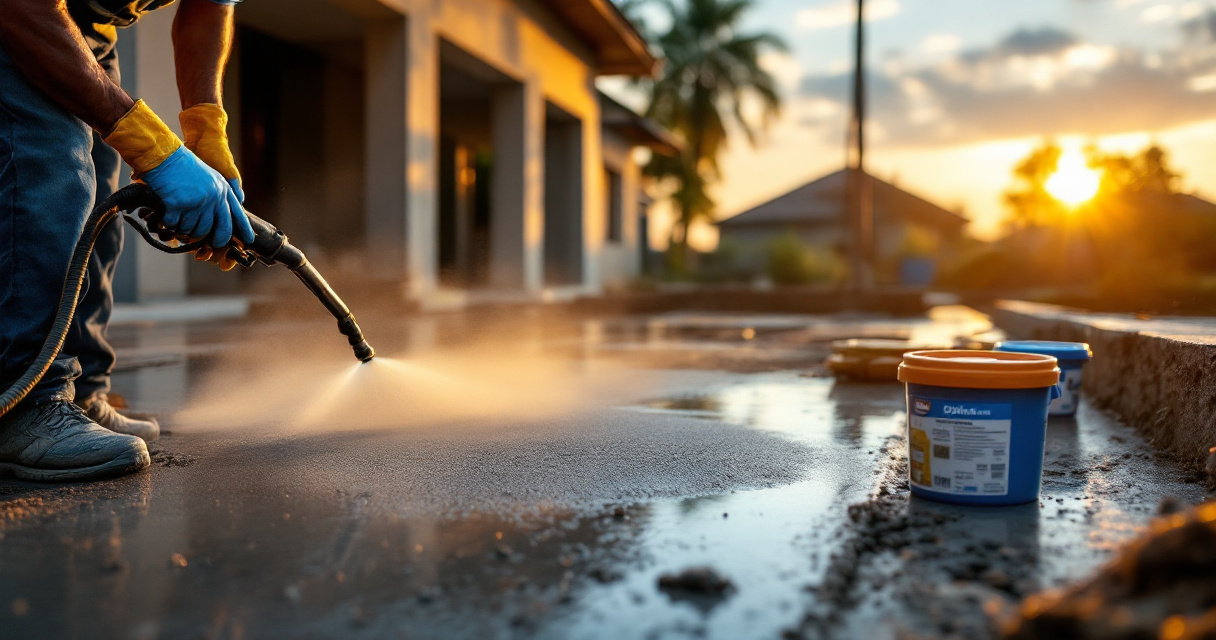
Curing compounds work like a temporary seal on the slab surface. They reduce rapid moisture loss after finishing, which is especially helpful in Nairobi, Athi River, Mombasa, and other areas where heat and airflow can dry concrete faster than crews expect.
Key takeaway: If your slab will carry traffic, racking, or equipment, curing is not optional. It is the cheapest stage to get right and one of the most expensive to skip.
A quick comparison of product categories for slabs
| Product type | Main job | Best use case | Common caution |
|---|---|---|---|
| Curing compound | Retains moisture after placement | New slabs, pavements, warehouse floors | Must be applied evenly and at the right time |
| Densifier or hardener | Improves surface hardness and wear resistance | Industrial floors, high-traffic slabs | Works best on sound, well-cured concrete |
| Waterproofing additive or coating | Reduces water penetration | External slabs, wet zones, exposed decks | Wrong system choice can trap moisture |
| Surface polish or sealer | Improves finish, stain resistance, cleaning | Retail, showrooms, finished internal floors | Not a substitute for curing |
Why Kenyan projects need climate-aware curing
Kenyan job sites often face three issues at once:
- High daytime temperatures
- Wind exposure on open plots
- Delays in water curing due to labour or water access
A membrane-forming curing compound helps when continuous wet curing is hard to maintain. If you're also planning coloured concrete or decorative finishes, read how to use concrete oxides for beautiful coloured floors in 2026 because pigment, finishing, and curing need to work together, not fight each other.
What curing actually protects
Curing protects the hydration process inside the slab. That process is what gives concrete its long-term strength and better resistance to wear.
For busy sites, the practical goal is simple: keep enough moisture in the slab during the early period so the concrete gains strength properly, instead of drying out on the surface while staying weak underneath.
Best concrete curing and enhancing products for durable slabs Kenya, by job type
The best product depends on how the slab will be used. A residential parking slab, a warehouse floor, and a roof deck do not need the same treatment.
Match the product to the slab's real service conditions
Use this job-first checklist when buying:
- General house slabs and driveways: choose a reliable curing compound first, then add a surface sealer only if staining or dusting is a concern.
- Warehouses and factories: use curing plus a densifier or hardener for abrasion resistance.
- External slabs and terraces: combine curing with a waterproofing system suited to sun and rain exposure.
- Decorative floors: protect colour consistency with controlled curing, then use the right finish coat.
The product mix that usually works best
For most Kenyan slab jobs, the strongest sequence is:
- Fresh concrete placement
- Timely curing application
- Full strength gain period
- Densifier or enhancer where traffic is expected
- Final protective sealer where cleaning or water resistance matters
This is also where product compatibility matters. A slab meant for later coatings should not be treated with a curing method that prevents bonding. If your project includes wet areas above occupied spaces, construction chemicals for waterproofing bathrooms and balconies in Kenya gives a useful system view that also applies to exposed slab zones.
How Thika Wax Works handles this
Thika Wax Works is relevant here because its construction range covers the practical categories contractors ask for most in Kenya: waterproofing products, concrete enhancers, coatings, polishes, oxides, and application accessories. That matters when you want one supplier that understands both performance and site realities.
You can also compare adjacent industrial chemical buying logic in guides like How Distributors Can Choose Chemical Products to Stock in Kenya, especially if you buy for multiple branches or project teams.
What separates a durable slab from one that dusts, stains, or cracks early
Durable slabs usually fail from process gaps, not just product gaps. Even the best materials underperform when crews apply them at the wrong time, on the wrong substrate, or without surface preparation.
The most common on-site mistakes
Here are the errors that shorten slab life fastest:
- Applying curing compound too late after finishing
- Overwatering the surface during finishing
- Using a decorative sealer before moisture has stabilized
- Skipping joint planning and then blaming the chemical system
- Choosing a roof-grade waterproofing product for a wear-heavy floor
"There is no such thing as a little crack. Every crack is a crack.", Bob Vila, Bob Vila
That quote fits slabs too. Small cracks may be cosmetic, but they still tell you something about curing, movement, or load.
Signs your slab needs enhancement, not replacement
A slab may still be salvageable if you catch issues early. Watch for:
- Light dusting under foot or forklift traffic
- Fast absorption of water on the surface
- Uneven colour and patchy finish
- Surface wear in traffic lanes
A densifier or surface treatment can improve hardness and service life on some slabs, but only after you confirm the base concrete is sound. For factory and warehouse environments, surface maintenance matters too, and industrial floor cleaner systems for factories and warehouses in Kenya explains how cleaning choices affect long-term floor performance.
A useful visual on long-term resin behavior
The video is about resin rather than curing compounds, but it's a good reminder that surface systems age differently over time. Always ask how a coating or finish behaves after years of UV, abrasion, and cleaning, not just after installation.
What current research says about stronger and longer-lasting concrete surfaces
Recent research points to material design, not only surface treatment, as a major durability factor. For slab buyers in 2026, that means the smartest approach often combines good mix design with the right curing and post-treatment steps.
Research trends that matter on real projects
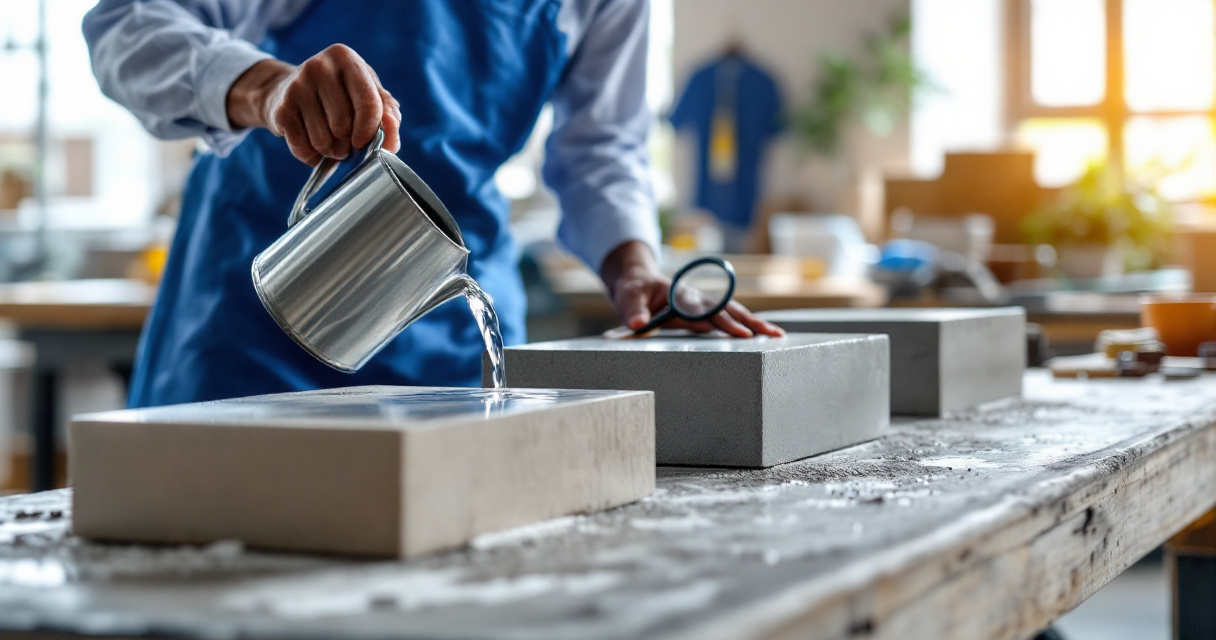
A 2022 review in Crystals found that sisal fibre reinforced concrete can improve some mechanical and physical properties when used correctly, which matters for crack control discussions in suitable applications (Ahmad, Majdi, Deifalla, 2022). A 2023 review in Coatings looked at clay and titanium dioxide nanoparticles in mortar and concrete, showing growing interest in additives that improve microstructure and durability (Bunea, Alexa-Stratulat, Mihai, 2023).
These are not everyday bag-on-site products for most Kenyan slab jobs yet. Still, they show where durable concrete is heading: tighter pore structure, better crack control, and more functional surfaces.
Practical reading of the research: Advanced additives can help, but they do not replace correct curing, placement, and finishing.
What to expect in Kenya through 2027
Expect three clear shifts:
- More demand for low-maintenance industrial floors in logistics and light manufacturing
- Greater interest in waterproof, decorative, and easy-clean slab finishes for mixed-use buildings
- More buyers asking suppliers for complete systems, not isolated products
That system mindset is already common in adjacent chemical categories. You can see the same move toward fit-for-purpose product selection in articles such as the ultimate guide to hot melt adhesives in Kenya, industrial solutions for 2026. Different category, same lesson: matching chemistry to the job saves money later.
Another reason this matters is maintenance. A good slab should resist water, traffic, and cleaning chemicals without constant patching. More on product categories and updates often appears on thikawaxworks.com as the Kenyan market keeps shifting.
How to choose the best supplier and product set for your slab project
A good supplier should help you pick a system, not just sell a drum or bag. In Kenya, you want clear guidance on substrate condition, curing window, coverage, compatibility, and aftercare.
Questions to ask before you buy
Ask these before placing an order:
- What slab are you treating? New, old, internal, external, trafficked, decorative?
- What result do you want? Strength gain, hardness, water resistance, colour, shine, or easier cleaning?
- What comes next? Paint, tile, coating, polish, or open use?
- How will it be applied? Spray, roller, squeegee, or mechanical polishing process?
A practical buying checklist for Kenyan contractors
- Ask for product use guidance by substrate condition
- Confirm if the curing product affects later coating adhesion
- Check coverage rates and recoat timing
- Match the system to climate exposure and traffic
- Buy enough tools and accessories to apply it correctly
Thika Wax Works is a sensible place to start if you want a Kenya-based source with long experience across construction and industrial chemicals. That local context helps when your project is dealing with sun exposure, labour timing, transport delays, or mixed-use slab requirements.
If you want to compare options or ask about a slab-specific system, head to thikawaxworks.com, then contact the team with your slab type, area, and intended finish. Looking for the best concrete curing and enhancing products for durable slabs Kenya? Thika Wax Works has you covered, get in touch here: https://www.thikawaxworks.com/contact-us/.
Conclusion
Strong slabs are built in stages: correct concrete placement, proper curing, the right enhancer for traffic and exposure, and a finish that matches the job. For Kenya's weather and site conditions, that usually means choosing a complete system rather than chasing one "best" product in isolation. Thika Wax Works can help you narrow that choice based on your slab's use, environment, and finish goals. If you're planning a new floor, driveway, warehouse slab, or external deck, visit thikawaxworks.com for more guidance, then request advice through the contact page to get the right product mix for your project.